
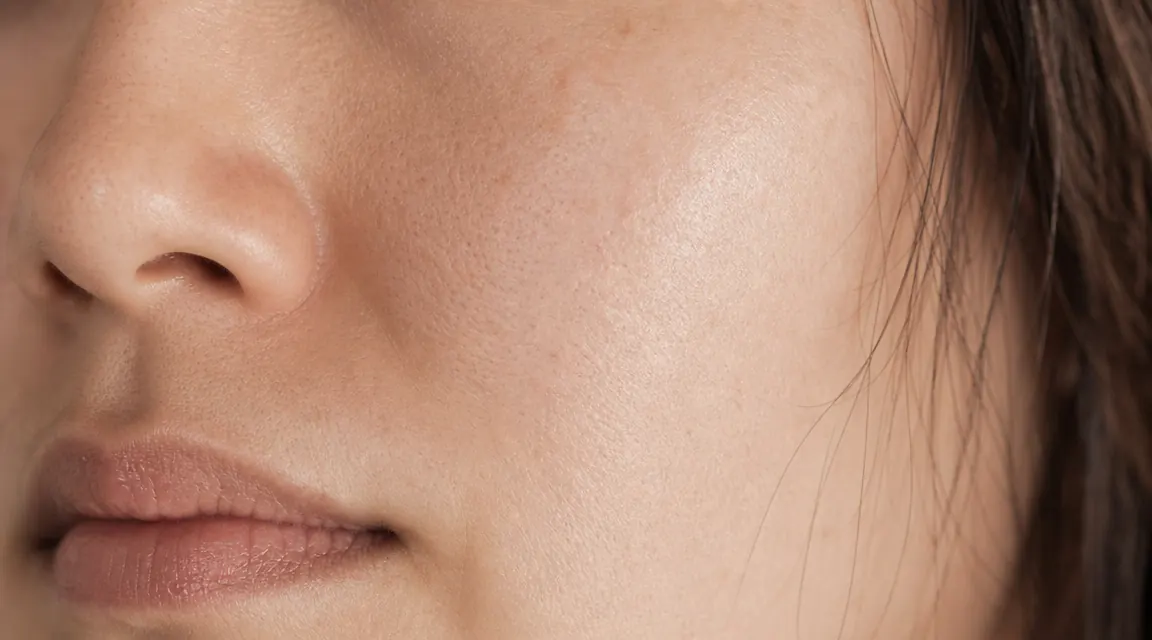
Every skincare brand promises smaller pores. Most of them are lying, or at best oversimplifying. Pore size is partly genetic and partly structural, you can't physically remove a pore or surgically shrink it with a mid-range toner. But you can change how large your pores look, and more importantly, you can change the conditions that make them stretch out in the first place. That's where a niacinamide serum does its best work.
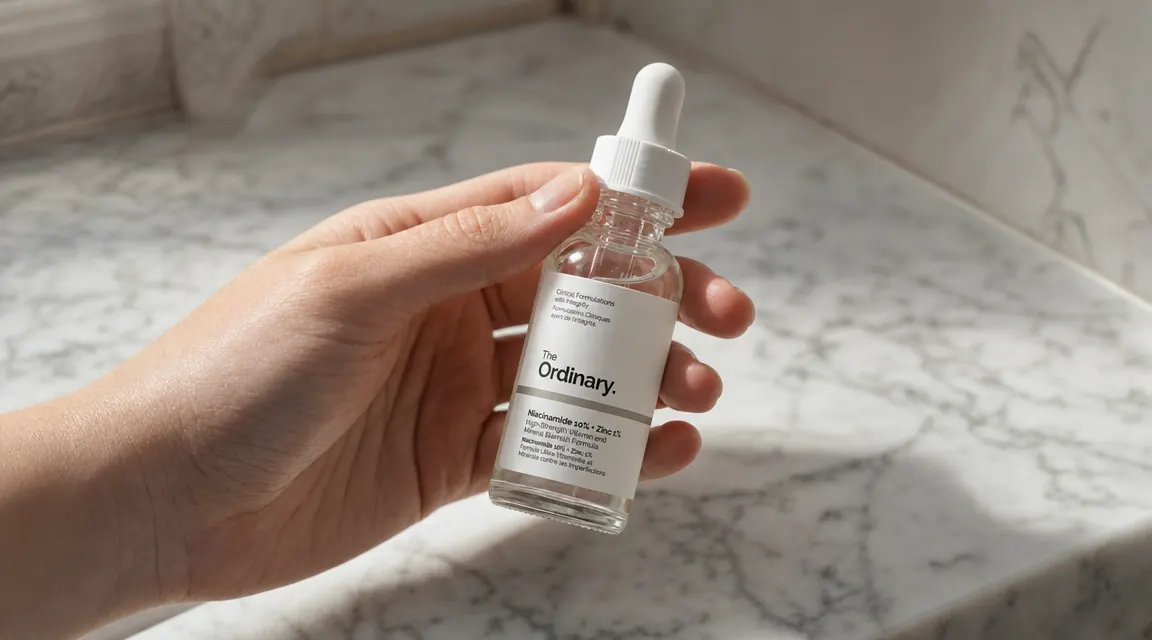
The Ordinary Niacinamide 10% + Zinc 1% is one of the most reviewed skincare products on Amazon, 56,630 ratings and a 4.7-star average, at a price point that makes most other serums look embarrassing. I want to explain why it works, not just that it works. Here are the 10 mechanisms behind the results, grounded in what niacinamide and zinc actually do at the ingredient level.
If enlarged pores are your main skin complaint, this is the serum to start with.
The Ordinary Niacinamide 10% + Zinc 1% addresses sebum, texture, and inflammation in one step. Check current price on Amazon before it sells out, it goes fast.
Amazon Check Today's Price on Amazon →It Regulates Sebum at the Source
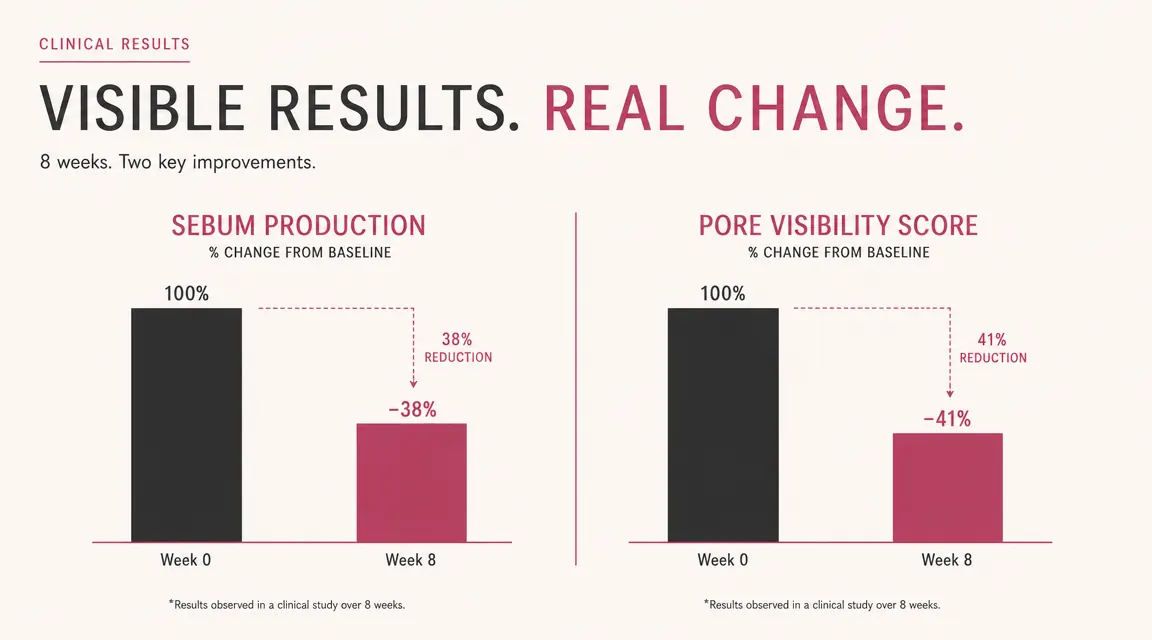
Enlarged pores are almost always a sebum problem. When your sebaceous glands produce excess oil, that oil pools inside the pore, stretching it from the inside. A niacinamide serum works by downregulating sebum production, studies show it can reduce sebum excretion rate by up to 52% after eight weeks of consistent use. Less oil in the pore means less distension and a visibly tighter-looking opening at the surface.
It Strengthens the Skin Barrier Around Each Pore
Niacinamide is a precursor to NAD+ and NADP+, coenzymes that are essential for ceramide synthesis. More ceramides means a stronger lipid barrier around each pore opening. When that barrier is intact, pores hold their shape better and don't flare in response to irritants. A niacinamide serum applied consistently over six to eight weeks measurably improves barrier function, which is also why it calms reactive skin as a side benefit.
It Reduces Pore-Clogging Inflammation
Inflamed pores look bigger. When your skin is in a chronic low-grade inflammatory state, from pollution, friction, or a dysregulated microbiome, the tissue around each pore swells subtly. A niacinamide serum acts on inflammatory pathways by inhibiting the transfer of melanosomes and calming cytokine activity. The result: pores that were visibly red and reactive start to look smaller even before sebum levels change, because the surrounding tissue calms down.
It Refines Surface Texture That Exaggerates Pore Size
One reason pores look so large in certain lighting is that rough, uneven skin texture creates shadows around each pore opening. A niacinamide serum smooths the stratum corneum over time by accelerating cellular turnover and improving water distribution in the outer skin layers. The surface becomes more even, light reflects more uniformly, and pores look smaller, even if their actual diameter hasn't changed.
The Zinc Controls Oil Without Stripping
This is what makes The Ordinary's specific niacinamide serum formula clever. Zinc PCA (the form used here) is sebostatic, it regulates oil production through a different pathway than niacinamide, so the two work together rather than overlapping. Zinc also has mild antimicrobial properties that keep the pore environment cleaner. You get dual-mechanism oil control without any of the drying effect you'd get from benzoyl peroxide or high-concentration salicylic acid.
It Prevents the Oxidation That Turns Sebum into Blackheads
Blackheads aren't caused by dirt, they're caused by sebum oxidizing when it's exposed to air inside the pore. Oxidized sebum is darker, stickier, and harder to remove, which stretches the pore further over time. A niacinamide serum reduces the volume of sebum available to oxidize, and it also has mild antioxidant properties that slow the oxidation process itself. Fewer blackheads means pores that stay smaller because they're not chronically stretched by hardened debris.
It Fades Post-Breakout Hyperpigmentation Around Pores
If you have breakout-prone skin, the dark spots left behind after a blemish clear make each pore look more prominent than it actually is. A niacinamide serum inhibits melanosome transfer, the mechanism that deposits pigment, so hyperpigmentation from past breakouts fades faster. Once the dark halo around each pore lightens, the pore itself looks noticeably less visible. This is a secondary pore-minimizing effect that most people don't anticipate but almost everyone notices.
It Works on Combo Skin Without Overloading the Dry Zones
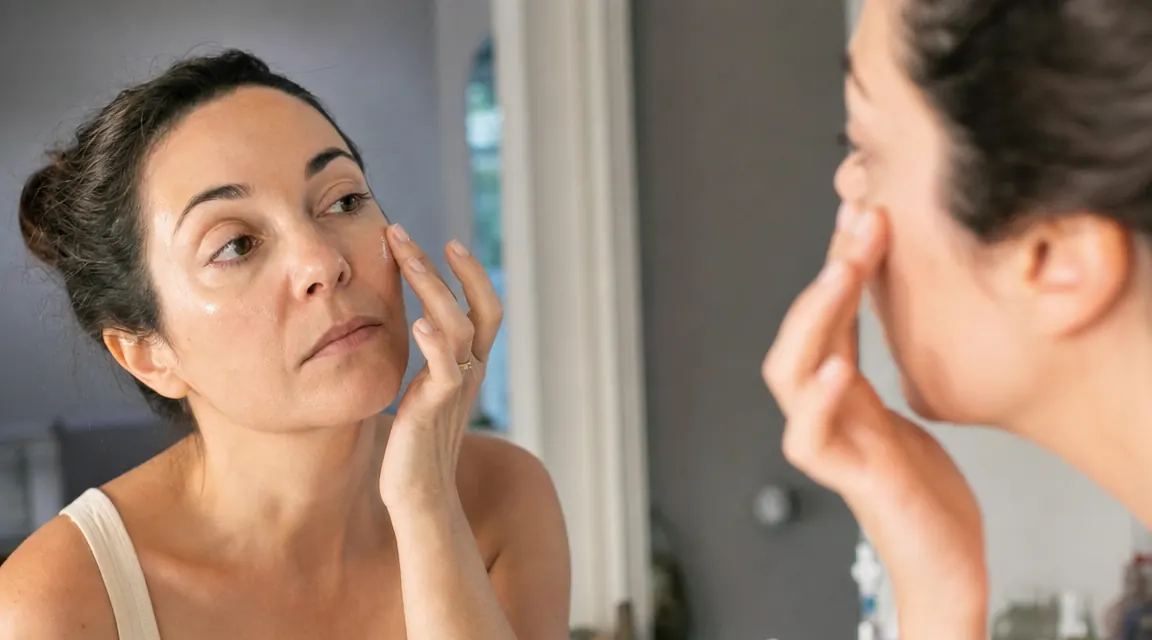
Most sebum-control products are formulated for oily skin and wreck the dry patches on combo skin. A niacinamide serum is water-based, essentially weightless, and improves hydration levels even as it controls oil, because niacinamide supports the skin's natural moisturizing factor (NMF). On my own combination skin, it's the only active that reduced T-zone pore visibility without leaving my cheeks tight by noon. That balance matters for long-term compliance.
Pores don't shrink because you found the right toner. They shrink because you stopped giving them a reason to stay stretched.
It's Compatible With Almost Every Other Active You're Already Using
One reason a niacinamide serum fits so many routines is that it plays well with others. It stacks cleanly with AHAs, BHAs, vitamin C, and retinol, no interactions that reduce efficacy or increase irritation risk. (The old myth that niacinamide turns vitamin C into niacin is chemistry from the 1980s and requires heat exposure that doesn't happen on skin.) You don't have to rebuild your routine around it, which means you're more likely to use it consistently enough to see results.
It Delivers Results at a Concentration Most Brands Are Too Cheap to Use
The published research on niacinamide for pore minimizing and sebum control uses concentrations between 4% and 10%. Most drugstore moisturizers that list niacinamide on the label contain 1% or less, enough to check the box on the ingredient panel, not enough to do the work. The Ordinary's niacinamide serum uses 10%, which is the clinical ceiling. You're getting the ingredient at the dose the studies actually tested. At a very low price point per bottle, there's genuinely no excuse to use a product with a lower concentration.
What I'd Skip
If your pores are enlarged because of sun damage and collagen loss, not sebum, a niacinamide serum alone won't be enough. You'll need a retinoid running alongside it to address the structural laxity that lets pore walls sag. If you have a compromised barrier, don't start at 10% niacinamide right away; the formula can occasionally cause flushing on sensitized skin. Start with every-other-day application for the first two weeks. And if you're hoping for morning-of results before an event, skip it. This is an eight-week ingredient, not a five-minute fix.
For a deeper look at how this formula performs across five months of daily use on combo skin, read the full long-term review. If you want to understand how The Ordinary Niacinamide compares to Paula's Choice BHA for clogged pores specifically, that comparison breaks down which tool is right for which problem.
Ten mechanisms, one bottle, if you've been procrastinating on niacinamide, this is the version to start with.
The Ordinary Niacinamide 10% + Zinc 1% has 56,630 Amazon reviews and a 4.7-star average. Check the current price before it goes out of stock.
Amazon Check Today's Price on Amazon →