
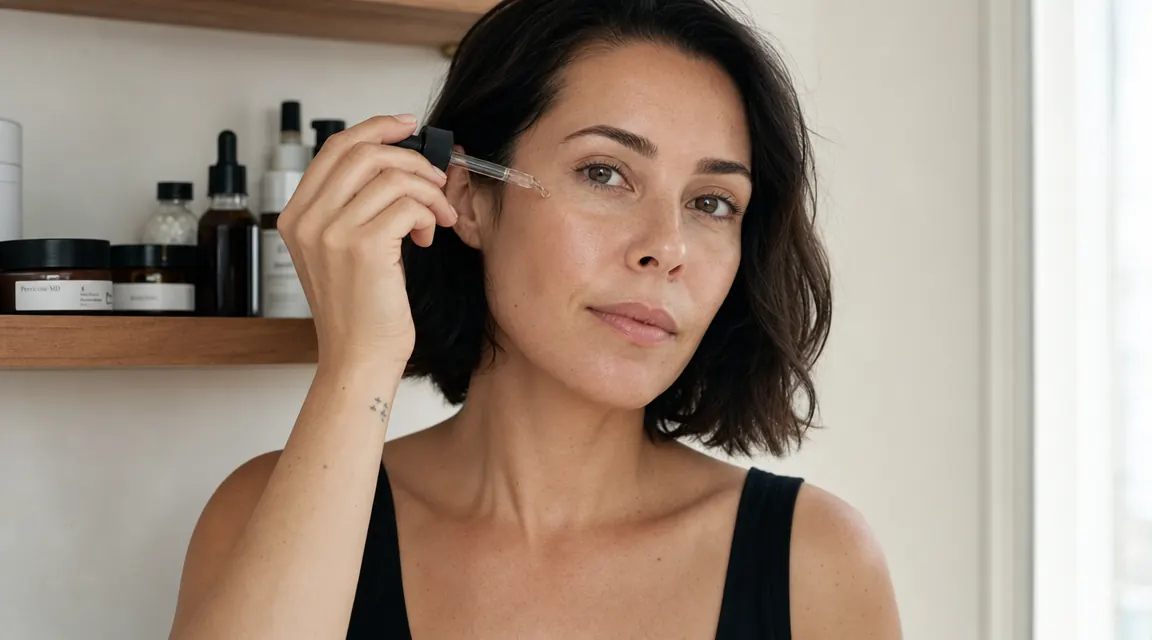
For about four years, my T-zone ran the show. By noon, my nose and forehead were visibly shiny through whatever I'd put on top of them. I had a mattifying primer, a matte setting powder, and three different blotting papers in rotation. I thought I was managing the problem. What I was actually doing was losing a slow-motion war every single day.
The fix I finally found is inexpensive. It's a serum from The Ordinary. Niacinamide 10% + Zinc 1%. I'll be honest with you: I resisted it for longer than I should have, and I'm going to tell you exactly why, because I think a lot of people are sitting in the same spot I was.
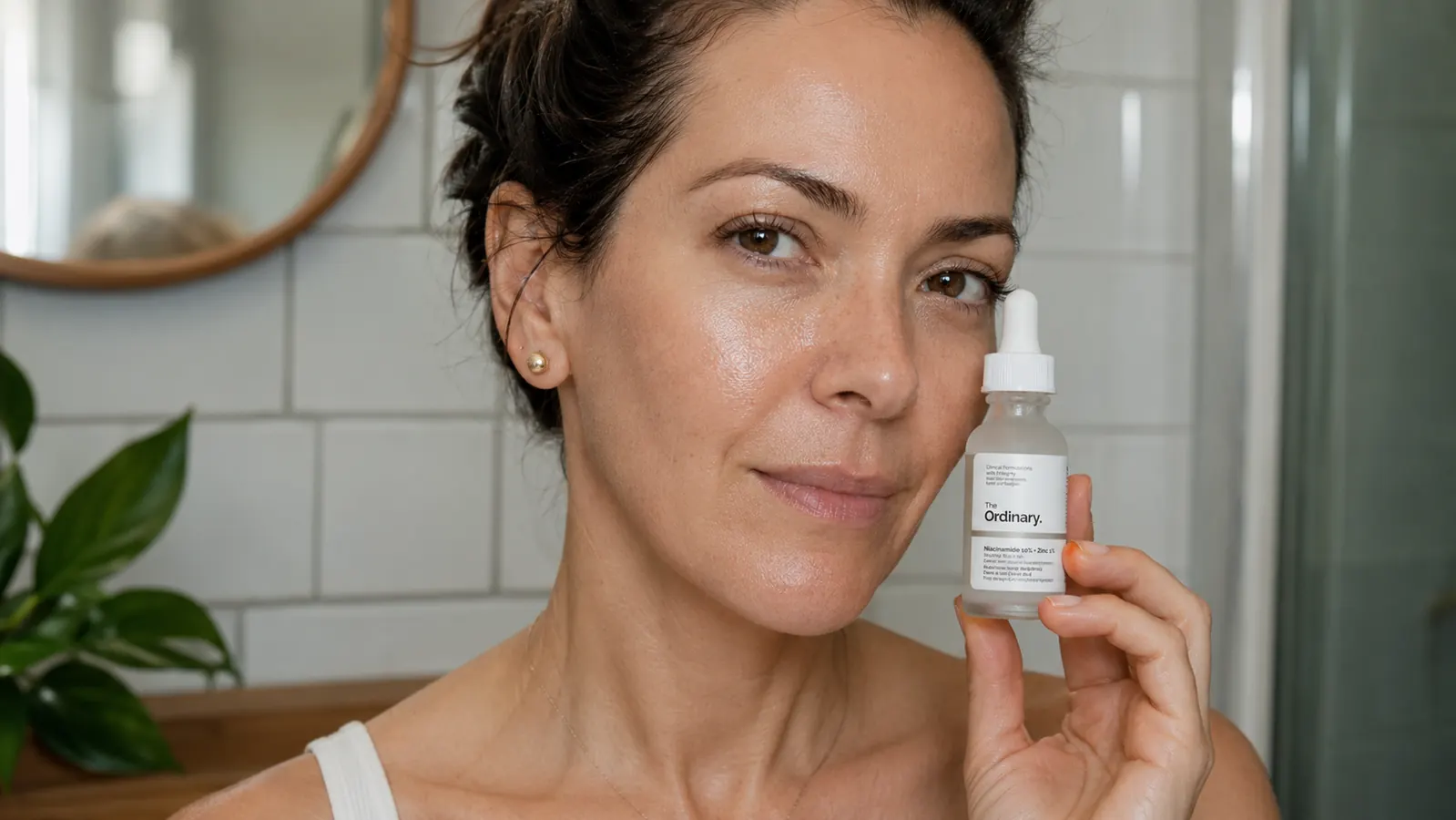
My skin is combo and prone to breakouts. Not the big cystic kind, mostly the small clustered kind that show up on my chin and along my jaw when I'm stressed or eating badly. Dehydration lines under my eyes even when my T-zone is oily. That lovely combination that means every moisturizer either clogs my pores or makes my forehead look like a glazed doughnut by 2pm. I'd read the ingredient lists. I knew niacinamide was supposed to help with sebum regulation. But this cheap? I kept waiting for there to be a catch.
The catch, I eventually realized, was that there wasn't one. The Ordinary is a clinical formulations brand. They don't put money into fancy packaging or marketing campaigns. The formula is a high-concentration water-based serum: 10% niacinamide, 1% zinc PCA. That's it, plus a short, clean carrier list. No added fragrance, no alcohol, no unnecessary filler. The price is low because the overhead is low. The ingredient list doesn't lie.
I had been trying to blot and mattify my way out of a problem that was starting at the cellular level. Niacinamide works at the sebaceous gland. No primer ever will.
I added it to my morning routine in January. Cleanser, niacinamide serum, moisturizer, SPF. That's it. Within the first week I noticed my skin looked a little less angry. Not dramatically different, but the redness around my nose and chin was quieter. By week three, I was reaching for my blotting papers less. Not gone, but genuinely less. By the end of the first month, I realized I'd stopped reapplying powder at lunch. Not because I was making a point of it. Because I simply hadn't needed to.
The zinc component is doing real work alongside the niacinamide. Zinc PCA has antimicrobial properties that address the bacterial environment around breakout-prone pores. Niacinamide, at clinically studied concentrations of around 5% and above, reduces the transfer of melanosomes to keratinocytes, which is the actual mechanism behind fading post-breakout marks. My old hormonal chin breakouts were leaving less of a dark remnant behind. That was the detail that surprised me most.
Your T-zone isn't broken. It's just waiting for the right ingredient.
The Ordinary Niacinamide 10% + Zinc 1% is rated 4.7 stars by more than 56,000 reviewers. At its current price, there's no meaningful reason to wait.
Amazon Check Today's Price on Amazon →There are a couple of things worth knowing before you start. First, don't mix it with vitamin C in the same step. They're both effective ingredients but they fight each other in terms of pH. Use your vitamin C product in the morning or evening, niacinamide at the other time. Second, some people experience a brief initial adjustment period where their skin looks slightly more congested in the first week. That's common with any new active and it passes. I had about five days of that before things settled down. Third, this is a water-based serum meant to go under moisturizer, not replace it. The formula is thin, so it absorbs quickly and layers well.

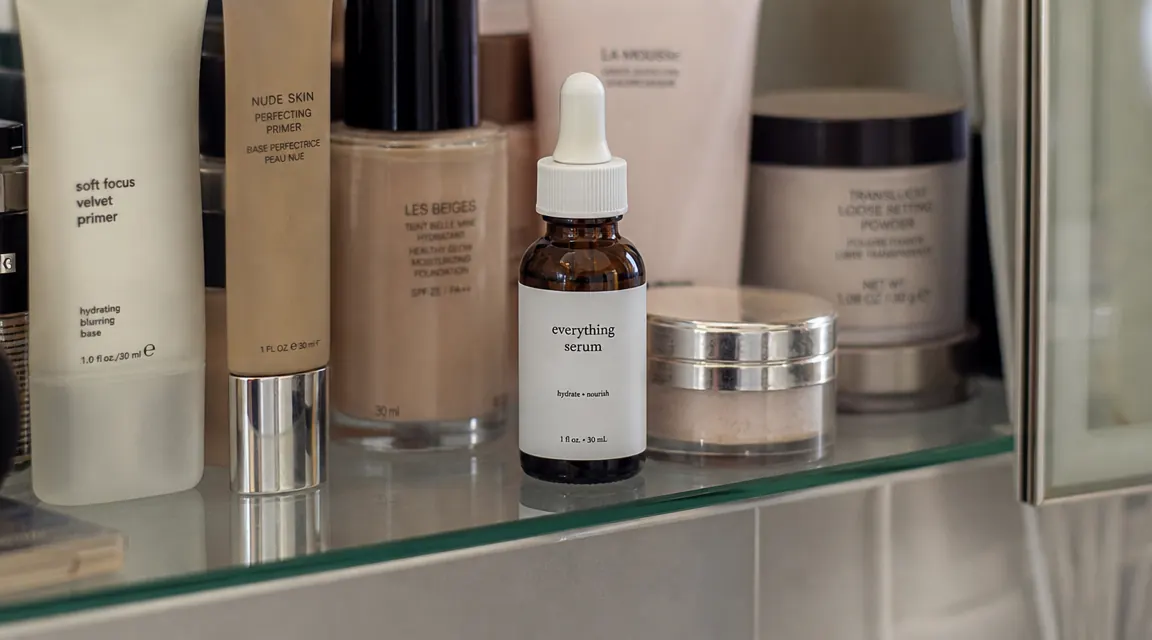
I want to tell you about the primers. I had a pore-blurring primer from a brand I won't name that was premium-priced. I had a mattifying primer from another brand that was also premium-priced. I used them religiously. They're both sitting in the back of my bathroom cabinet now, about 80% full. I don't throw them out because I keep thinking maybe they'll have a moment. They won't. Primers address what your face looks like at 7:30am. Niacinamide addresses what your skin does all day. Those are different problems and only one of them is actually solvable.
What I'd Tell You If We Were Sitting at My Kitchen Table
If you have an oily T-zone, persistent small breakouts, enlarged-looking pores, or post-breakout marks that hang around for months, niacinamide at a real concentration is the first place I'd send you. Not a toner with 1% niacinamide listed near the bottom of the ingredient list. Something like The Ordinary's formula, where 10% is the whole point. The research on niacinamide for sebum regulation and skin barrier support is solid. It's not a trendy ingredient looking for a use case. It's a well-studied B vitamin doing exactly what dermatologists have observed it doing for decades.
If you want to read more about how I used it over five months and what the pore and texture changes actually looked like week by week, I wrote a longer breakdown in my full review. And if you've been frustrated by oily skin and aren't sure how to build a routine that actually addresses it at the root, there's a practical walkthrough that might help. But honestly? Most of what you need to know is this: the problem I was trying to solve with blotting papers and premium mattifying products was a sebum regulation problem. Niacinamide addresses sebum regulation. It's budget-friendly. I'm still a little annoyed it took me four years to try it.
Skip the primers. Fix the sebum.
The Ordinary Niacinamide 10% + Zinc 1% is the serum I wish I'd started with. Fragrance-free, straightforward formula, and a price that makes hesitating feel genuinely unreasonable.
Amazon Check Today's Price on Amazon →